
Choosing the right stone for your landscaping project can dramatically transform your outdoor space. Two of the most popular options for Georgia homeowners and professionals are river rock and fieldstone. Understanding the unique characteristics and best uses for each will help you make the perfect choice for your property.
What Makes River Rock Special?
River rock features smooth, rounded edges created by centuries of water erosion. These stones come in various sizes, from small pebbles to larger statement pieces, and offer a polished, natural appearance. The color palette typically includes warm earth tones such as tan, brown, gray and rust, making it versatile for any landscape design.
River rock excels in drainage applications. Use it around downspouts, in French drains or as a permeable ground cover that allows water to flow freely while preventing soil erosion. It’s also perfect for dry creek beds, creating the illusion of a natural waterway even in areas where water doesn’t regularly flow. Many homeowners choose river rock for walkways, fire pit surrounds and as decorative mulch in garden beds. The smooth surface is comfortable underfoot and won’t decompose like organic mulch.
The Rugged Appeal of Fieldstone
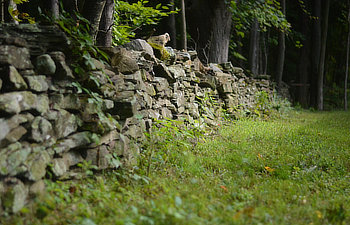
Fieldstone offers a completely different aesthetic with its irregular, angular shapes and rough texture. These stones are naturally occurring and were historically gathered from fields, giving them an authentic, rustic character. Fieldstone typically displays a more varied color palette, with grays, browns and hints of moss green or rust.
This stone type is ideal for creating dramatic retaining walls, as the irregular shapes interlock naturally for stability. Fieldstone pathways provide excellent traction and a charming, cottage-style appearance. It’s also the top choice for building decorative borders, accent walls and natural-looking water features. The textured surface and substantial presence of fieldstone add dimension and visual interest to any landscape.
Making Your Choice
Consider your project’s purpose when deciding between these materials. River rock works best for drainage solutions, modern designs and areas requiring smooth surfaces. Fieldstone is well-suited to structural projects, rustic aesthetics and applications where texture and grip are important. Many successful landscapes incorporate both materials, using river rock for functional drainage areas and fieldstone for architectural elements.
Stone Landscaping FAQs
How much stone do I need for my project?
Calculate square footage and multiply by the desired depth. A 100-square-foot area with a 2-inch depth requires approximately one ton of stone. Our team can help with precise calculations.
Does river rock need landscape fabric underneath?
Yes, landscape fabric prevents weeds and keeps stone from sinking into soil, extending the life and appearance of your installation.
Can fieldstone be used for a DIY retaining wall?
Fieldstone works well for shorter retaining walls (under 3 feet). Taller walls require professional engineering and proper drainage installation.
How do I keep river rock in place on slopes?
Install edging or borders to contain the stone, and consider larger rocks that resist movement. Steeper slopes may need terracing.
Which stone requires less maintenance?
Both are low-maintenance, but river rock is easier to clean and rake. Fieldstone may collect debris between crevices but rarely needs attention once installed.
Premium Stone Delivered to Your Door
Southern Landscape Supply in Cumming, GA, sells premium river rock and fieldstone in bulk at fair prices. Whether you’re a homeowner tackling a DIY project or a contractor managing multiple job sites, we offer fast, reliable delivery throughout Cumming, Atlanta Metro, Forsyth County, Fulton County, Hall County, Gwinnett County and surrounding areas. Our bulk pricing helps you save money while ensuring you have enough material to complete your project right the first time.
Give us a call today at (770) 205-9393 to learn more!